
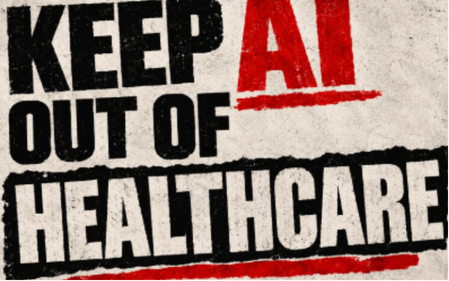
Artificial Intelligence is changing healthcare – with serious threats to health and the environment.
On the 10th and 11th September, Cambridge Institute for Sustainability Leadership will be a prominent figure in an “AI and Health” conference, one of two AI events they are advertising this month. The severe droughts of this summer have prompted protests and debates about the AI bubble and the resources it demands. The proliferation of AI is neither healthy nor sustainable: here are some reasons why.
Artificial intelligence is being sold as the future of healthcare.
But behind the hype is a system built on inequality, exploitation and extraction. Healthcare becomes a system that puts corporate power over people.

Unequal access. Unequal future

AI learns from data, meaning that the quality and diversity of its training data matter enormously. When biased data is used, it can reinforce existing inequalities involving race, gender and other characteristics. For example, a study found that AI algorithms systemically disadvantage Black patients, as it used healthcare spending as a proxy for healthcare need.
Water
Large data centres require significant amounts of clean water for cooling. After a summer with 5 heatwaves, drought is a major concern, affecting harvest and food availability.
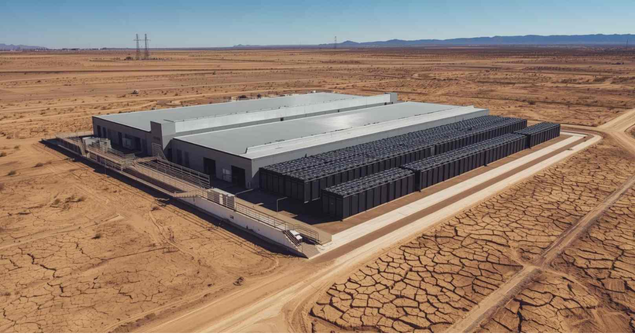
Technology does not exist outside of the climate crisis

AI depends on physical infrastructure: data centres, computer chips. electricity, cooling systems and water. Leading to:
- High electricity consumption
- Water consumption
- Pollution & Carbon emissions
- E-waste & toxic exposure
Environmental damage can ultimately become a health issue through climate change, pollution, resource depletion and pressure on essential resource, disproportionately affect people of lower income backgrounds.
Over-Reliance
Over-reliance on AI by healthcare professionals or patients can lead to important details being overlooked or misdiagnoses occurring.
Please share our social media posts
More resources
Find our poster here: